
39 principles for designing human-AI interaction
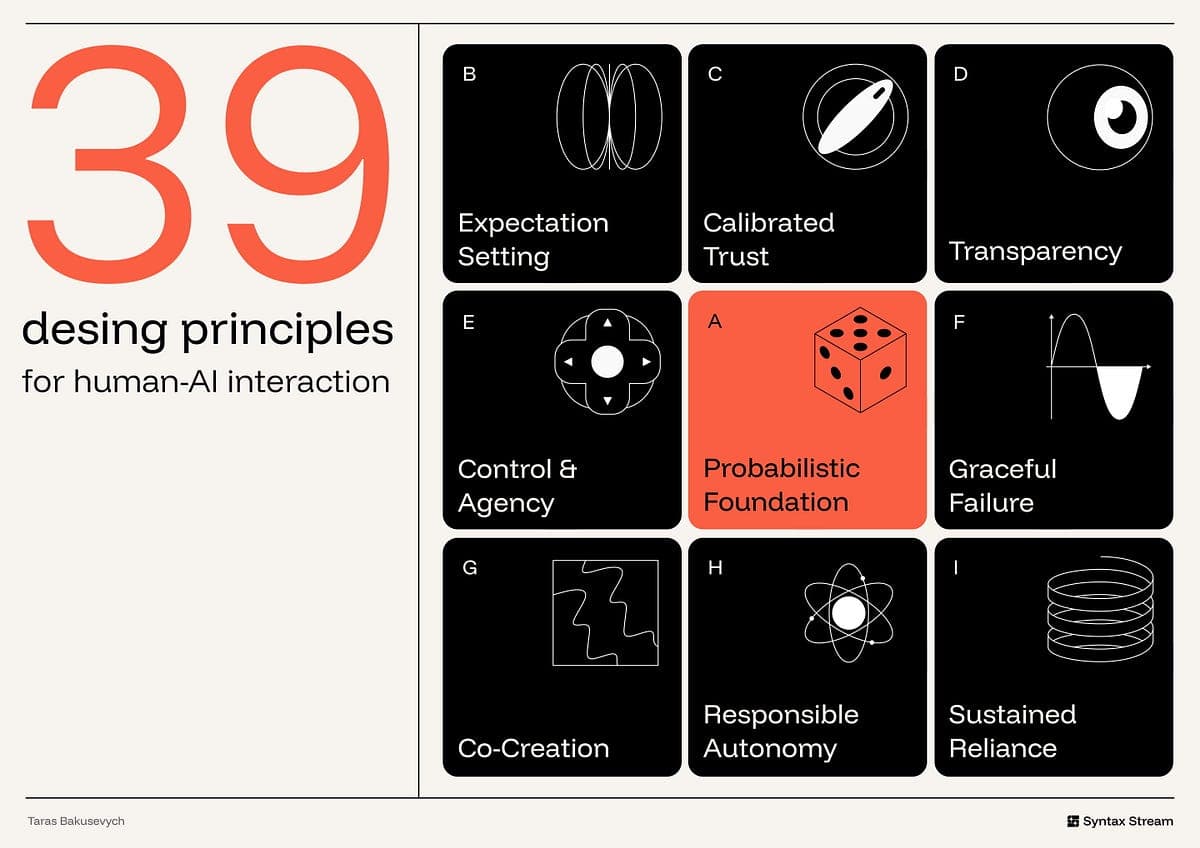
Original Article Summary
An applied framework for designing AI interfaces that support appropriate reliance, user control, transparency, and responsible autonomy.
Read full article at Substack.com✨Our Analysis
SyntaxStream's publication of 39 principles for designing human-AI interaction highlights the importance of transparency and user control in AI interfaces. The framework provides a comprehensive guide for designers to create AI systems that support appropriate reliance, user control, transparency, and responsible autonomy. For website owners, this means that integrating AI-powered features on their sites must prioritize transparency and user control. As AI bots become more prevalent in website interactions, owners must ensure that their AI interfaces are designed to provide clear information about the AI's capabilities, limitations, and decision-making processes. This is crucial in building trust with users and avoiding potential misuses of AI-generated content. To effectively manage AI bot traffic and ensure compliance with the principles outlined by SyntaxStream, website owners can take the following actionable steps: update their llms.txt files to reflect the new transparency guidelines, implement clear labeling of AI-generated content, and establish user feedback mechanisms to monitor and improve AI interface design. By doing so, website owners can promote responsible AI adoption and maintain a positive user experience.
Track AI Bots on Your Website
See which AI crawlers like ChatGPT, Claude, and Gemini are visiting your site. Get real-time analytics and actionable insights.
Start Tracking Free →