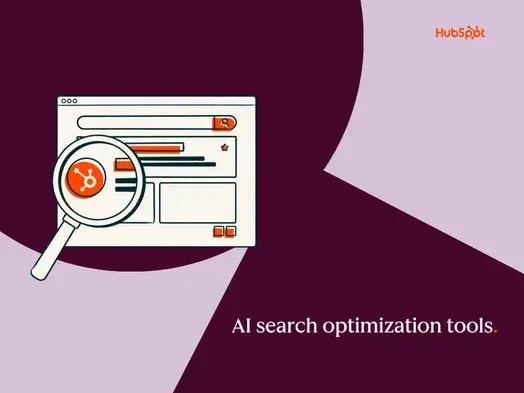
AI search optimization tools: What actually works in 2026
Original Article Summary
AI search optimization tools help marketers understand where a brand appears in AI-generated answers, which sources earn citations, and what to improve next. They complement traditional SEO tools rather than replace them: SEO measures rankings, clicks, and or…
Read full article at Hubspot.com✨Our Analysis
HubSpot's AI search optimization guide outlines how its new AI-driven tools pinpoint brand mentions in AI‑generated answers, identify which sources earn citations, and suggest concrete improvements for better visibility in generative search. For website owners, this means AI bots are increasingly scraping content to populate large‑language‑model answers, so traditional keyword rankings are no longer the sole traffic driver. If your site isn’t flagged as a trusted source, you’ll miss out on citation slots that AI assistants display prominently, leading to reduced organic exposure and potential loss of referral traffic. Moreover, AI‑powered crawlers now prioritize structured data and clear answer‑ready snippets, making it essential to align on‑page content with the query‑intent patterns these tools surface. **Actionable tips:** 1. **Add a dedicated `llms.txt` file** listing your approved AI agents (e.g., OpenAI, Anthropic) and specifying which sections of your site they may quote, helping you control how AI bots cite your content. 2. **Integrate HubSpot’s AI search dashboard** with your analytics to monitor which pages receive AI citations and adjust schema markup accordingly. 3. **Set up bot‑tracking rules in llmscentral.com** to flag any unknown crawlers attempting to harvest answer‑ready snippets, allowing you to block or request attribution as needed.
Related Topics
Track AI Bots on Your Website
See which AI crawlers like ChatGPT, Claude, and Gemini are visiting your site. Get real-time analytics and actionable insights.
Start Tracking Free →