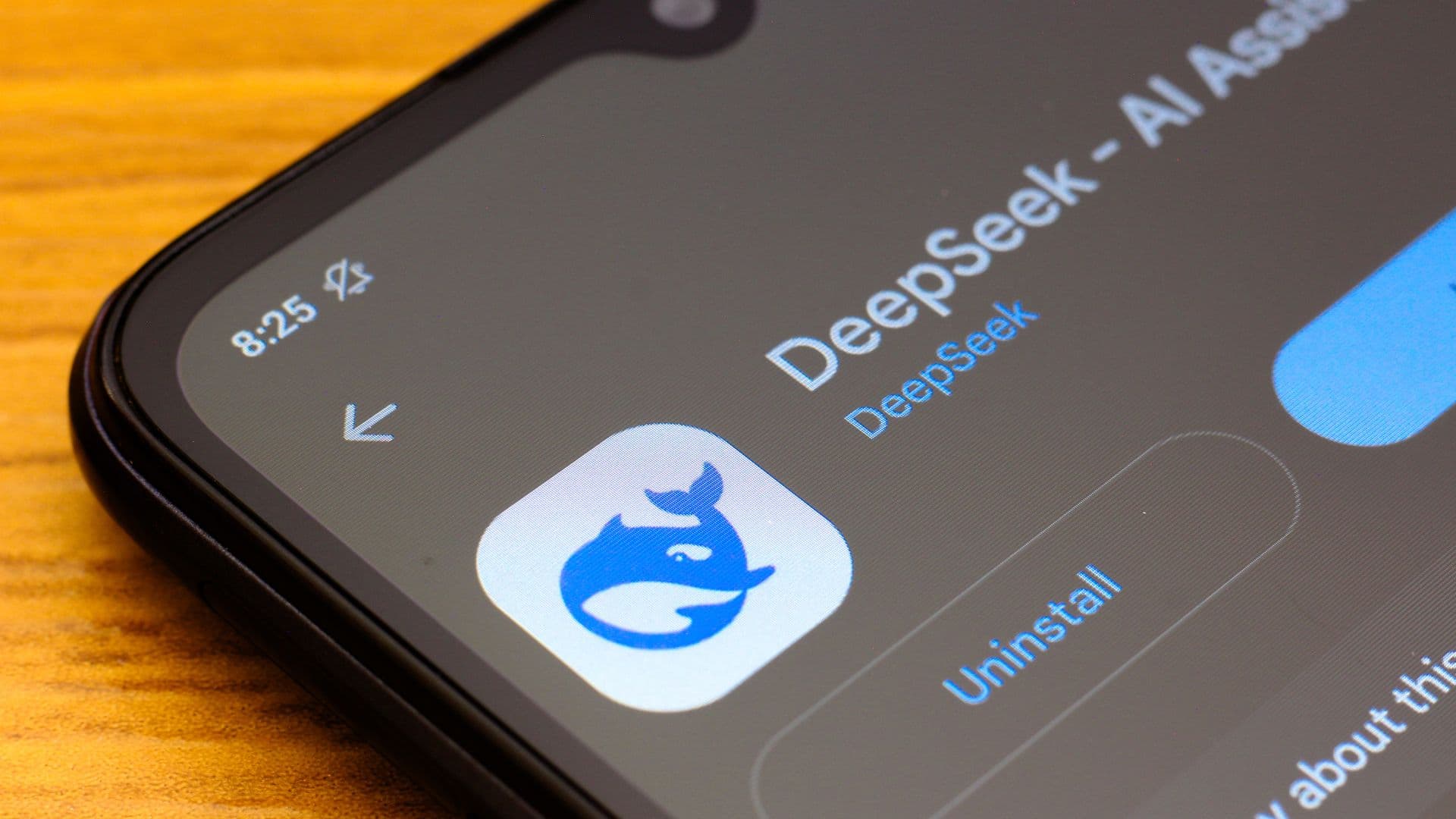
Deepseek's latest AI model is smarter than ever, but its low running costs come at a price
Original Article Summary
Deepseek 4.1 Flash 1017 drives cost-per-task further down still — open-weight model is fit for agentic workloads and exceedingly cheap to run
Read full article at Tom's Hardware UK✨Our Analysis
Deepseek's release of the 4.1 Flash model, which runs at just $0.0005 per 1 K tokens, pushes cost‑per‑task to unprecedented lows while promising “agentic” capabilities for autonomous workflows. For website owners, this means a sudden influx of ultra‑cheap AI agents that can scrape, summarize, and even generate content at scale. Because Deepseek’s open‑weight model is more prone to hallucination than proprietary alternatives, sites that rely on user‑generated or curated content may see a rise in low‑quality, AI‑spun pages that could trigger search engine penalties or dilute brand trust. Additionally, the model’s affordability makes it attractive for malicious actors to deploy large‑scale bots for SEO manipulation or credential stuffing, increasing background traffic that can strain server resources and skew analytics. **Actionable tips:** 1. **Update your llms.txt** to explicitly list Deepseek‑4.1‑Flash as a disallowed crawler, citing its propensity for hallucinated content and potential for abuse. 2. Deploy real‑time bot detection that flags high‑frequency, low‑latency requests typical of cheap AI agents; integrate rate‑limiting rules that throttle any single IP exceeding a threshold of 10 requests per second. 3. Use llmscentral’s traffic‑analysis dashboard to monitor spikes in “Deepseek” user‑agent strings and set alerts for anomalous surges, enabling rapid response before the traffic overwhelms your infrastructure.
Track AI Bots on Your Website
See which AI crawlers like ChatGPT, Claude, and Gemini are visiting your site. Get real-time analytics and actionable insights.
Start Tracking Free →