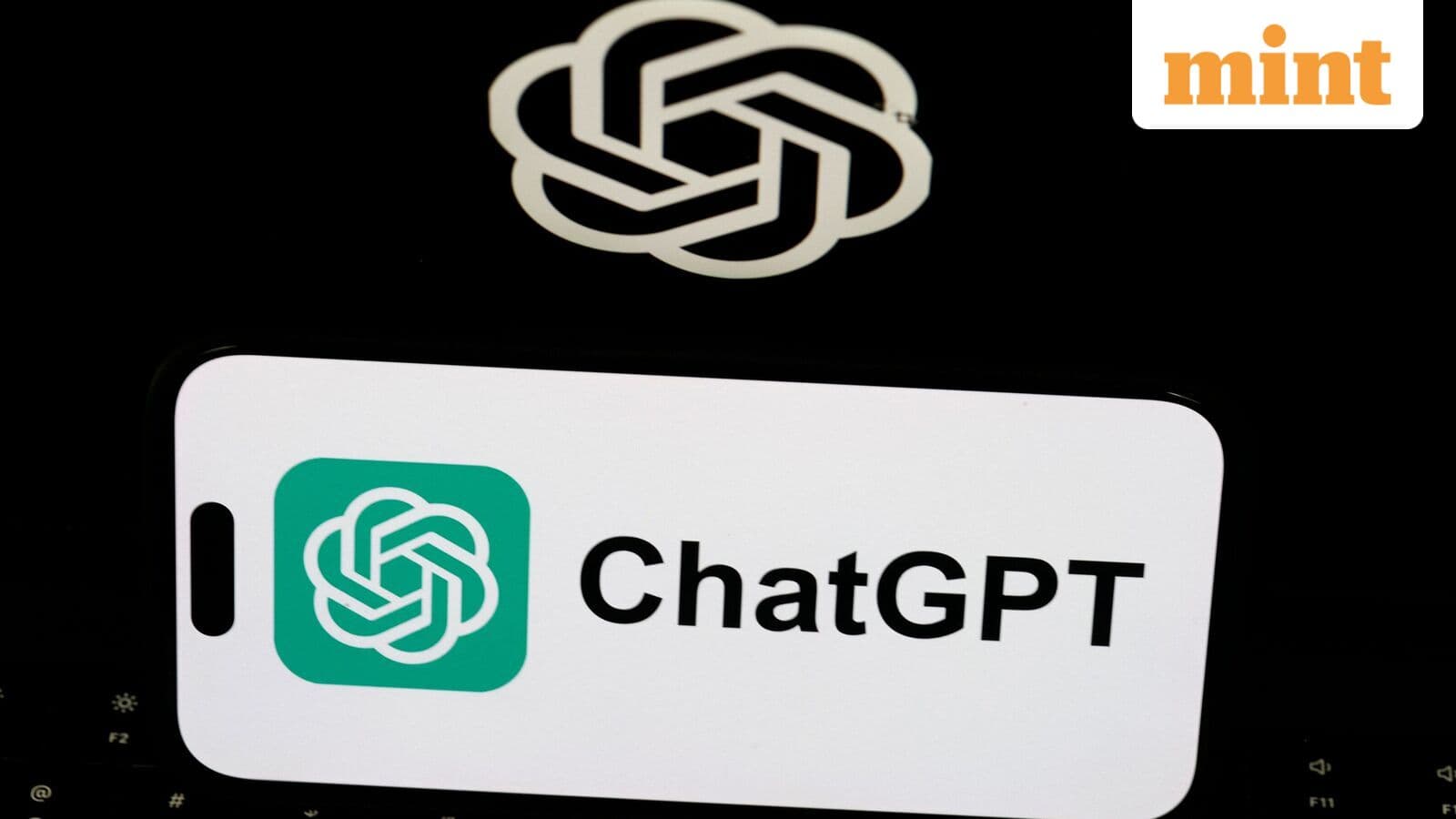
Delhi HC dismisses allegations of copyright infringement against ChatGPT
Original Article Summary
The dispute began in November 2024 when ANI sued OpenAI, alleging that the company used its copyrighted news reports without permission to train ChatGPT
Read full article at Livemint✨Our Analysis
OpenAI's victory in the Delhi High Court, which dismissed allegations of copyright infringement against ChatGPT, marks a significant development in the ongoing debate surrounding AI-generated content and its potential impact on intellectual property rights. This court ruling has implications for website owners who utilize AI-generated content, as it suggests that training AI models on existing content may not necessarily constitute copyright infringement. Website owners who leverage AI-generated content, such as chatbots or automated news aggregators, may be able to breathe a sigh of relief, as the court's decision implies that they may not be held liable for copyright infringement if their AI models are trained on copyrighted materials. In light of this ruling, website owners can take several steps to protect themselves and their AI-powered content. Firstly, they should review their AI model training data to ensure that it is not infringing on existing copyrights. Secondly, they should consider implementing robust tracking and monitoring systems to detect and prevent potential copyright infringement. Lastly, they should regularly update their llms.txt files to reflect any changes in their AI model training data or content policies, ensuring transparency and compliance with evolving intellectual property regulations.
Related Topics
Track AI Bots on Your Website
See which AI crawlers like ChatGPT, Claude, and Gemini are visiting your site. Get real-time analytics and actionable insights.
Start Tracking Free →