On the Thélyson Orélien ‘scandal’ and the use of AI for writing
Original Article Summary
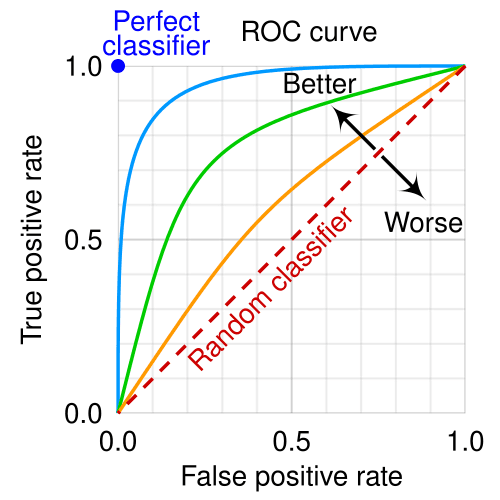
Since the Thélyson Orélien 'scandal', I've been thinking about whether a classifier can actually detect a writing style. No, I'm not a Natural Language Processing expert (yet). But I've used classifiers a bit and seen some of their results, and any classifier…
Read full article at R-bloggers.com✨Our Analysis
R‑bloggers' coverage of the Thélyson Orélien “scandal” highlights growing doubts about whether classifiers can reliably detect AI‑generated writing styles, sparking fresh debate among content creators and site operators. For website owners, this means the traditional reliance on style‑based detection to block AI‑spam or enforce authorship policies is increasingly fragile. If classifiers struggle to distinguish human from AI prose, malicious bots could flood comment sections, forums, or user‑generated content platforms with synthetic text that evades existing filters, potentially inflating traffic metrics and degrading content quality. Moreover, the uncertainty may affect compliance with attribution or disclosure regulations, as automated writers could masquerade as genuine contributors. **Actionable steps:** 1. **Implement llms.txt directives** that explicitly require AI bots to identify themselves and declare the model used when accessing your site’s APIs or comment endpoints. 2. **Deploy behavior‑based bot monitoring** (e.g., rapid posting rates, identical phrasing patterns) alongside style classifiers to catch AI‑driven spam that evades stylistic detection. 3. **Regularly audit your llms.txt file** to ensure it reflects the latest policy changes and includes a “Disallow” rule for known AI content generators that do not honor self‑identification.
Track AI Bots on Your Website
See which AI crawlers like ChatGPT, Claude, and Gemini are visiting your site. Get real-time analytics and actionable insights.
Start Tracking Free →