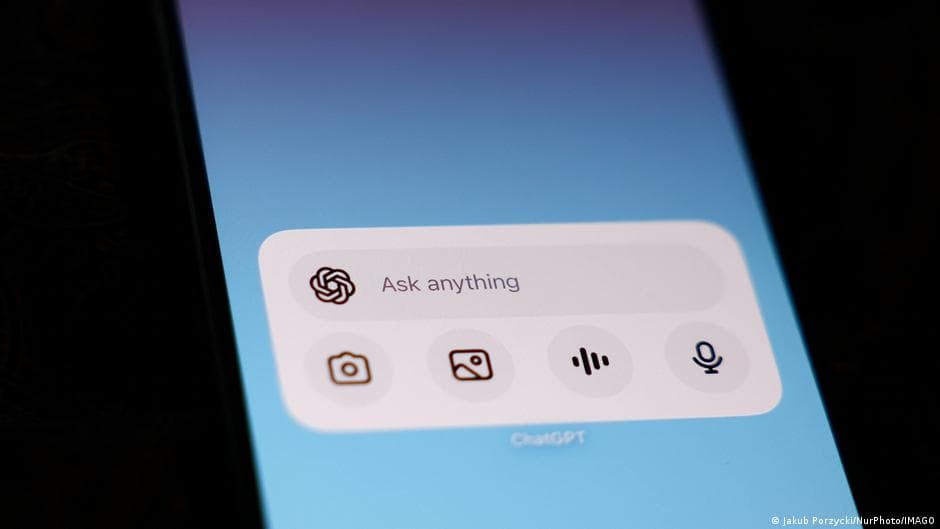
OpenAI tools post user images from ChatGPT online
Original Article Summary
OpenAI said it found 53 cases in which user-uploaded image links on ChatGPT were shared with third-party websites. The company said it had removed most of these links.
Read full article at DW (English)✨Our Analysis
OpenAI's disclosure that 53 user‑uploaded image links from ChatGPT were inadvertently posted to third‑party websites, with most links now removed, highlights a concrete data‑leak risk for site operators hosting visual content. For website owners, this breach means that any publicly accessible image URL embedded in a ChatGPT prompt can be harvested and republished without consent, potentially inflating bot traffic, skewing analytics, and exposing copyrighted or sensitive media. Sites that serve user‑generated images must anticipate sudden spikes in referrer traffic from OpenAI’s domains and be prepared for unauthorized hotlinking that could affect bandwidth costs and SEO rankings. Moreover, the incident underscores the need for tighter controls on how AI tools interact with external resources, especially when those resources are indexed by crawlers. **Actionable steps:** 1. **Update your llms.txt** to explicitly deny OpenAI’s crawler (User‑Agent: OpenAI‑Bot) from accessing image directories, using `Disallow: /images/`. 2. Implement token‑based or signed URL schemes for image delivery, so that only authenticated requests—rather than raw URLs—can retrieve files, effectively blocking automated scraping. 3. Monitor server logs for sudden referral spikes from `openai.com` or related subdomains and set up alerts to trigger rate‑limiting or temporary blocks when anomalous traffic is detected.
Related Topics
Track AI Bots on Your Website
See which AI crawlers like ChatGPT, Claude, and Gemini are visiting your site. Get real-time analytics and actionable insights.
Start Tracking Free →