
Scientists invented a fake disease. AI told people it was real
Original Article Summary
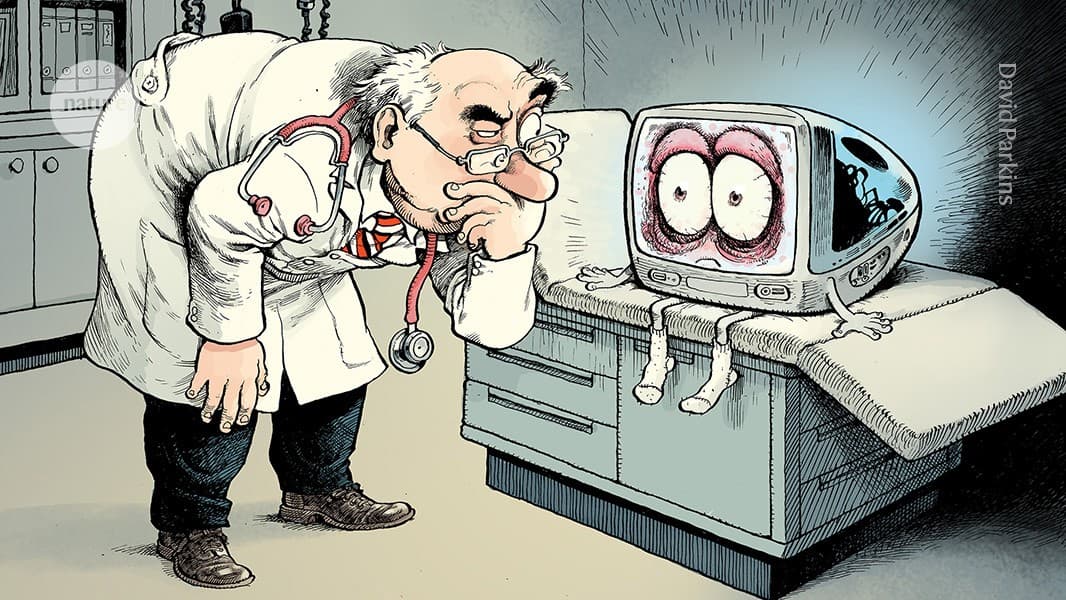
Bixonimania doesn’t exist except in a clutch of obviously bogus academic papers. So why did AI chatbots warn people about this fictional illness?
Read full article at Nature.com✨Our Analysis
Nature's publication of a study on Bixonimania, a completely fabricated disease, highlights the ease with which AI chatbots can disseminate false information, warning people about this fictional illness. The fact that AI models were able to pick up on the obviously bogus academic papers and present them as factual is a concerning trend. This means that website owners need to be vigilant about the information being shared on their platforms, as AI-generated content can quickly spread misinformation. If left unchecked, this can lead to a loss of credibility for the website and potentially harm its users. Website owners who rely on AI chatbots to provide information to their users must ensure that they have robust fact-checking mechanisms in place to prevent the spread of false information. To mitigate this risk, website owners can take several steps: first, regularly review and update their llms.txt files to ensure that they are blocking known sources of misinformation; second, implement AI content monitoring tools to detect and flag potentially false information; and third, provide clear guidelines to users on how to verify the accuracy of information provided by AI chatbots on their platform.
Related Topics
Track AI Bots on Your Website
See which AI crawlers like ChatGPT, Claude, and Gemini are visiting your site. Get real-time analytics and actionable insights.
Start Tracking Free →