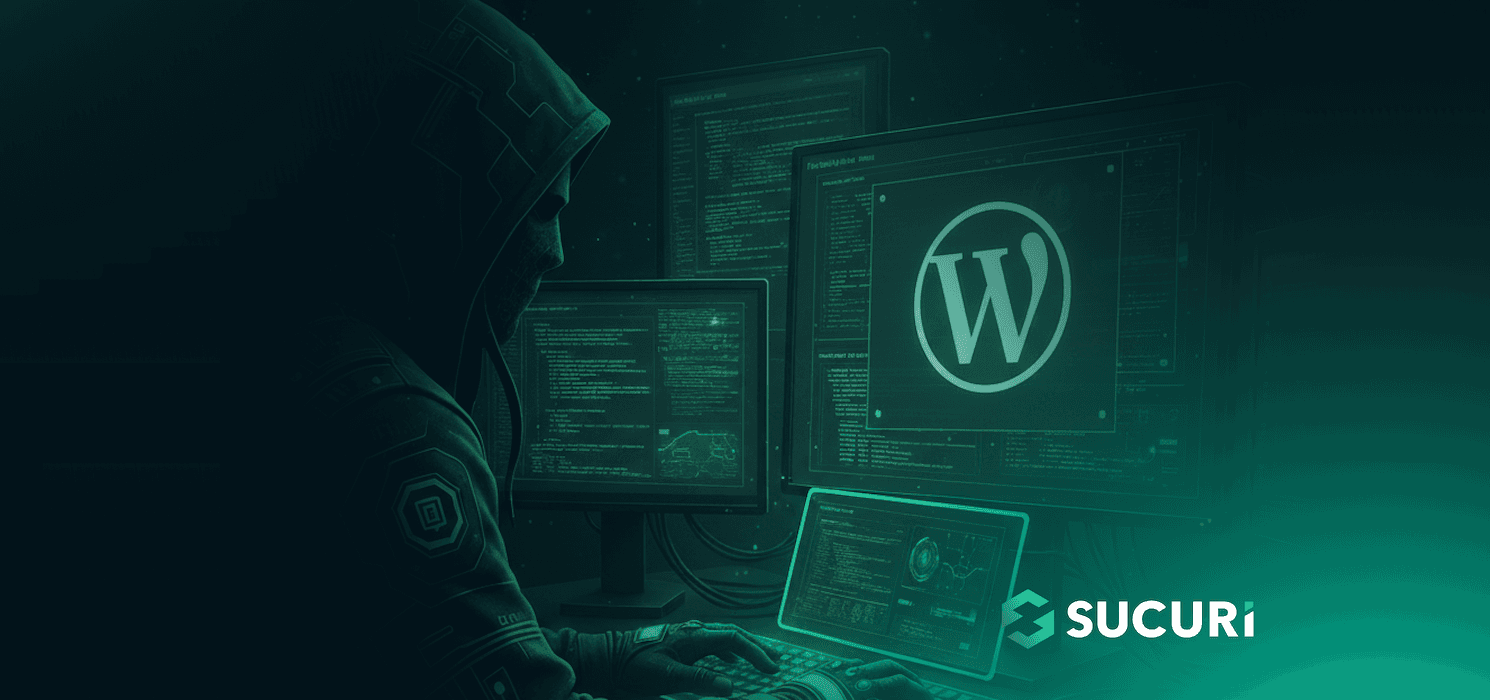
Shadow Directories: A Unique Method to Hijack WordPress Permalinks
Original Article Summary
Last month, while working on a WordPress cleanup case, a customer reached out with a strange complaint: their website looked completely normal to them and their visitors, but Google search results were showing something very different. Instead of normal title…
Read full article at Sucuri.net✨Our Analysis
Sucuri's discovery of Shadow Directories, a unique method to hijack WordPress permalinks, highlights a significant vulnerability in WordPress websites. This method allows attackers to create duplicate, hidden versions of a website's pages, which can be indexed by Google and displayed in search results, potentially leading to a loss of control over a website's online presence. This means that website owners, particularly those using WordPress, need to be aware of the potential for their permalinks to be hijacked, resulting in unexpected and potentially malicious content being displayed in search results. This can lead to a loss of trust and reputation, as well as potential security risks, as attackers may use these shadow directories to spread malware or phishing campaigns. To protect against this vulnerability, website owners should regularly monitor their website's search results and permalinks for any discrepancies, and implement robust security measures such as web application firewalls (WAFs) and regular malware scans. Additionally, they should consider using tools like llms.txt to track and manage AI bot traffic to their website, which can help identify potential security threats, including those related to Shadow Directories.
Related Topics
Track AI Bots on Your Website
See which AI crawlers like ChatGPT, Claude, and Gemini are visiting your site. Get real-time analytics and actionable insights.
Start Tracking Free →

