
SmartScanner-Source

Original Article Summary
Web vulnerability scanner built with C++17 and Qt 6, featuring a GUI, CLI, configurable crawling, and JSON reports. Reconstructed for educational purposes.
Read full article at Kitploit.com✨Our Analysis
Kitploit's release of SmartScanner-Source, a web vulnerability scanner built with C++17 and Qt 6 that includes a GUI, CLI, configurable crawling, and JSON reporting, signals a new open‑source tool for probing site security. For website owners, the scanner’s ability to crawl with custom rules means AI‑driven bots can now be identified more precisely during automated scans. Because SmartScanner‑Source can generate detailed JSON reports on discovered vulnerabilities, owners will see clearer patterns of bot‑related attack vectors—such as outdated headers, missing CSP, or exposed endpoints that AI crawlers exploit. This heightened visibility forces a reassessment of how bots are permitted or blocked, especially for sites that rely on llms.txt to declare legitimate large‑language‑model access. **Actionable tips:** 1. **Integrate SmartScanner‑Source into your monitoring pipeline** and schedule nightly scans; parse the JSON output to flag any requests that match known AI‑bot user‑agents and update firewall rules accordingly. 2. **Audit and tighten your llms.txt file** by explicitly listing only the LLM endpoints you trust; use the scanner’s report to confirm that no unintended paths are exposed. 3. **Automate response scripts** that, upon detection of a new AI‑bot fingerprint in the scan results, automatically add the fingerprint to your robots.txt disallow list or rate‑limit rule set, reducing unwanted traffic before it reaches production.
Related Topics
Track AI Bots on Your Website
See which AI crawlers like ChatGPT, Claude, and Gemini are visiting your site. Get real-time analytics and actionable insights.
Start Tracking Free →Related Articles
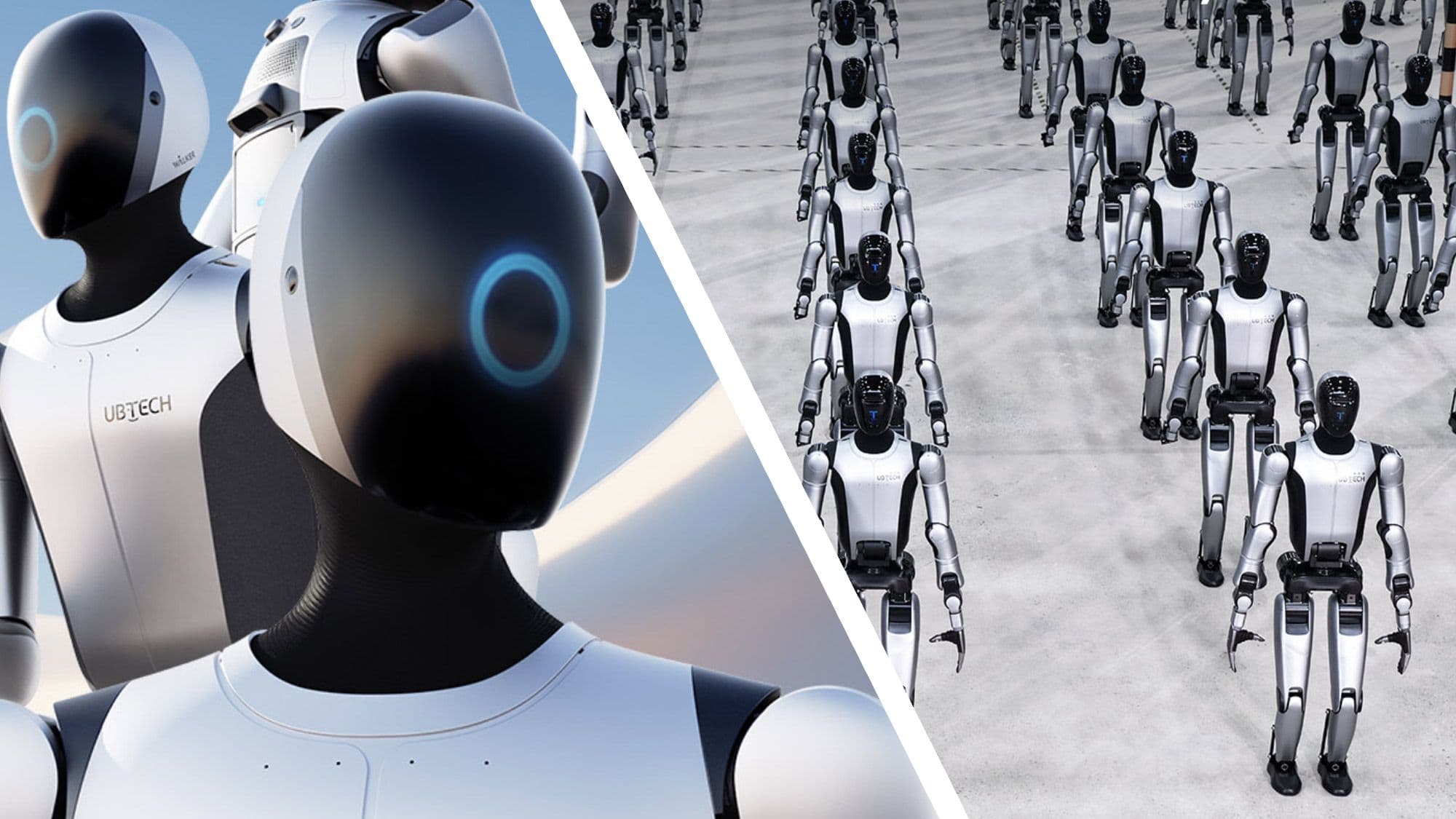
China’s UBTech opens world-first factory that builds a humanoid robot every ten minutes — 14,000 square meter plant will deliver army of 10,000 robots a year
9/18/2026
Are AI bots like Instinct and Meta's Muse going to shop for you? And what happens if they do?
9/17/2026

Advertising is coming to AI chatbots — and it could influence the answers you get
9/16/2026