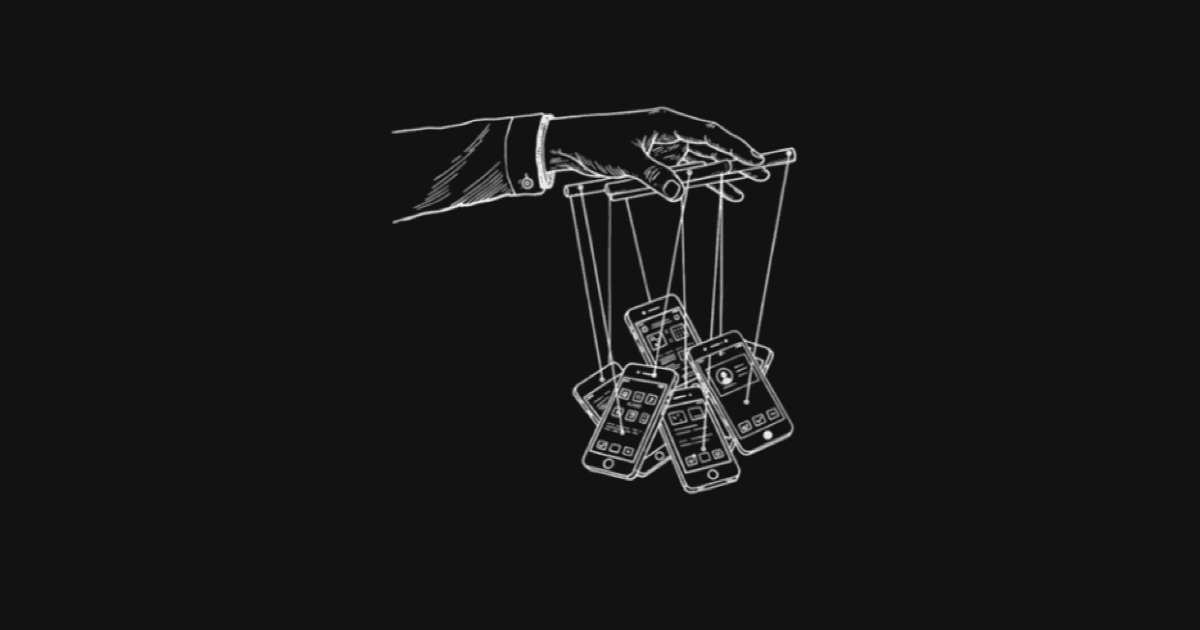
The Chatbots Are Pivoting to Video
Original Article Summary
AI chatbots, like Gemini and ChatGPT, are using video platforms like YouTube to answer questions for users
Read full article at New York Magazine✨Our Analysis
Google's Gemini and OpenAI's ChatGPT are now delivering answers via YouTube video responses, turning traditional text‑based chat interactions into searchable video content that appears directly in users’ feeds. For website owners, this shift means AI‑generated traffic will increasingly arrive from video platforms rather than direct bot crawlers. Search engines are already indexing these AI‑powered videos, so sites that host tutorials, product demos, or FAQs may see a dip in organic clicks as users opt for a quick video answer. Conversely, the rise of video‑first bots creates a new backlink and referral source: if your content is cited in an AI‑generated video, you’ll receive referral traffic from YouTube’s embed player and potentially benefit from increased domain authority. **Actionable tips:** 1. **Add a `video` block to your llms.txt** – list the URLs of your key video assets (YouTube IDs or self‑hosted MP4s) so AI bots know which of your videos they can safely reference, preventing unwanted scraping of proprietary footage. 2. **Monitor YouTube referral logs** – set up server‑side tracking for `referer: youtube.com` to identify spikes in AI‑driven video traffic and adjust rate‑limiting rules if bot‑like patterns emerge. 3. **Create a “Video FAQ” sitemap** – submit a separate XML sitemap that only includes your video pages; this helps search engines and AI platforms surface your official videos instead of third‑party AI‑generated clips, preserving your brand’s voice.
Related Topics
Track AI Bots on Your Website
See which AI crawlers like ChatGPT, Claude, and Gemini are visiting your site. Get real-time analytics and actionable insights.
Start Tracking Free →