The end of 'rip and replace'? New survey finds businesses are sticking it out with legacy tech
Original Article Summary
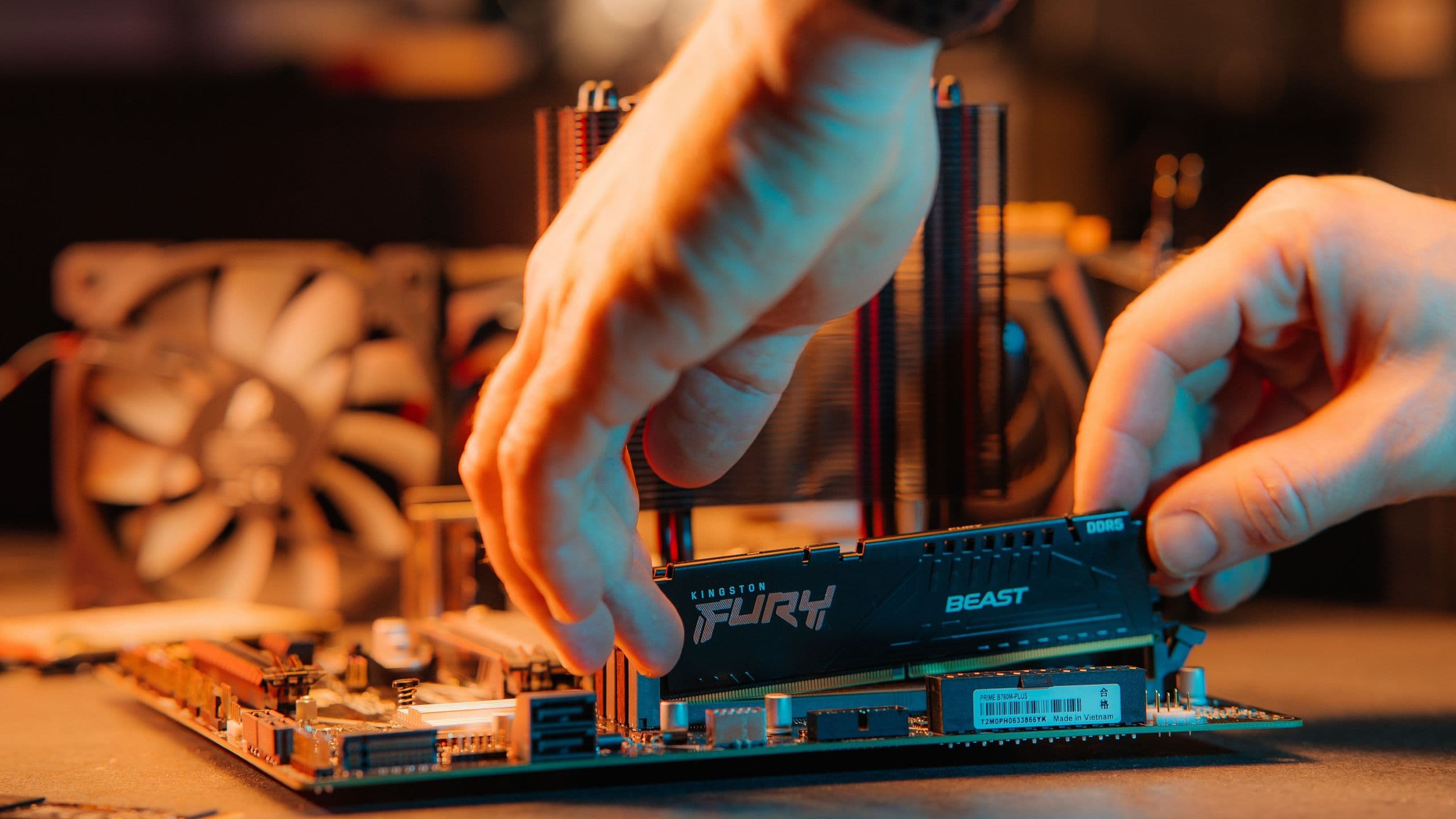
Despite scaling to AI, many businesses are keeping hold of older hardware, opting to upgrade existing devices wherever possible, rather than replace them.
Read full article at TechRadar✨Our Analysis
TechRadar's survey revealing that businesses are “sticking it out” with legacy hardware while scaling AI workloads highlights a growing hybrid environment where old servers coexist with modern AI services. For website owners, this means AI bots—especially those crawling for indexing, content scraping, or automated interactions—are increasingly likely to encounter a mix of outdated server configurations, older TLS versions, and legacy CMS plugins that were never designed for high‑volume AI traffic. Those legacy components can become bottlenecks, generate false positives in security logs, or expose sites to outdated vulnerabilities that AI‑driven scanners exploit. Website owners should therefore audit their infrastructure with a focus on the intersection of legacy tech and AI bot activity. First, update the llms.txt file to explicitly list the older user‑agents and IP ranges associated with legacy crawlers, ensuring they are either permitted or blocked according to current policy. Second, deploy a dedicated AI‑bot monitoring layer—such as a reverse‑proxy that tags requests originating from AI services—so you can differentiate legitimate AI traffic from malicious scraping that targets outdated endpoints. Finally, implement version‑specific security headers (e.g., Content‑Security‑Policy and Strict‑Transport‑Security) on legacy pages to mitigate the risk of AI bots exploiting known weaknesses while you plan a phased hardware refresh.
Track AI Bots on Your Website
See which AI crawlers like ChatGPT, Claude, and Gemini are visiting your site. Get real-time analytics and actionable insights.
Start Tracking Free →