The Smart TV in Your LivingRoom Is a Node in the AIScraping Economy
Original Article Summary
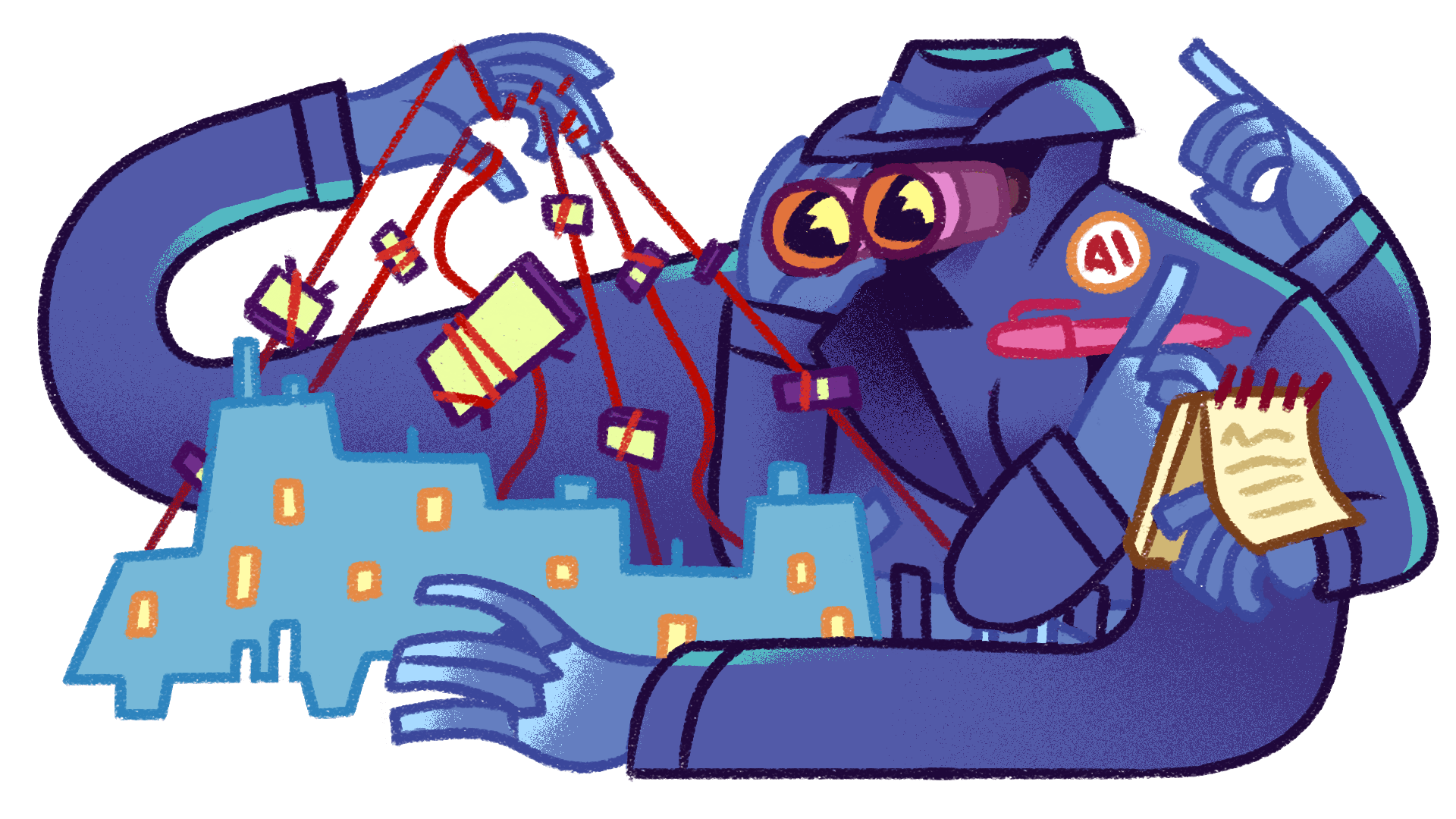
In this post we look under the hood of BrightData's SDK and how it turns ordinary consumer TVs into exit nodes of an enormous commercial, residential proxy network leveraged by the AI industry to scrape web data and train language learning models.
Read full article at Includesecurity.com✨Our Analysis
BrightData's development of an SDK that turns ordinary consumer TVs into exit nodes of a residential proxy network leverages millions of devices to scrape web data and train language learning models. This means that website owners may see an increase in AI bot traffic originating from residential IP addresses, making it more challenging to distinguish between legitimate human visitors and AI-powered scrapers. As a result, website owners may need to reassess their bot management strategies to prevent data theft and maintain the integrity of their online presence. To mitigate the risks associated with AI scraping, website owners can take several actionable steps: firstly, regularly monitor their website's traffic patterns and analyze logs to identify suspicious activity; secondly, implement robust bot detection and mitigation measures, such as CAPTCHAs or behavior-based bot detection; and thirdly, ensure their llms.txt files are up-to-date and accurately configured to manage AI bot access to their website's content.
Track AI Bots on Your Website
See which AI crawlers like ChatGPT, Claude, and Gemini are visiting your site. Get real-time analytics and actionable insights.
Start Tracking Free →