
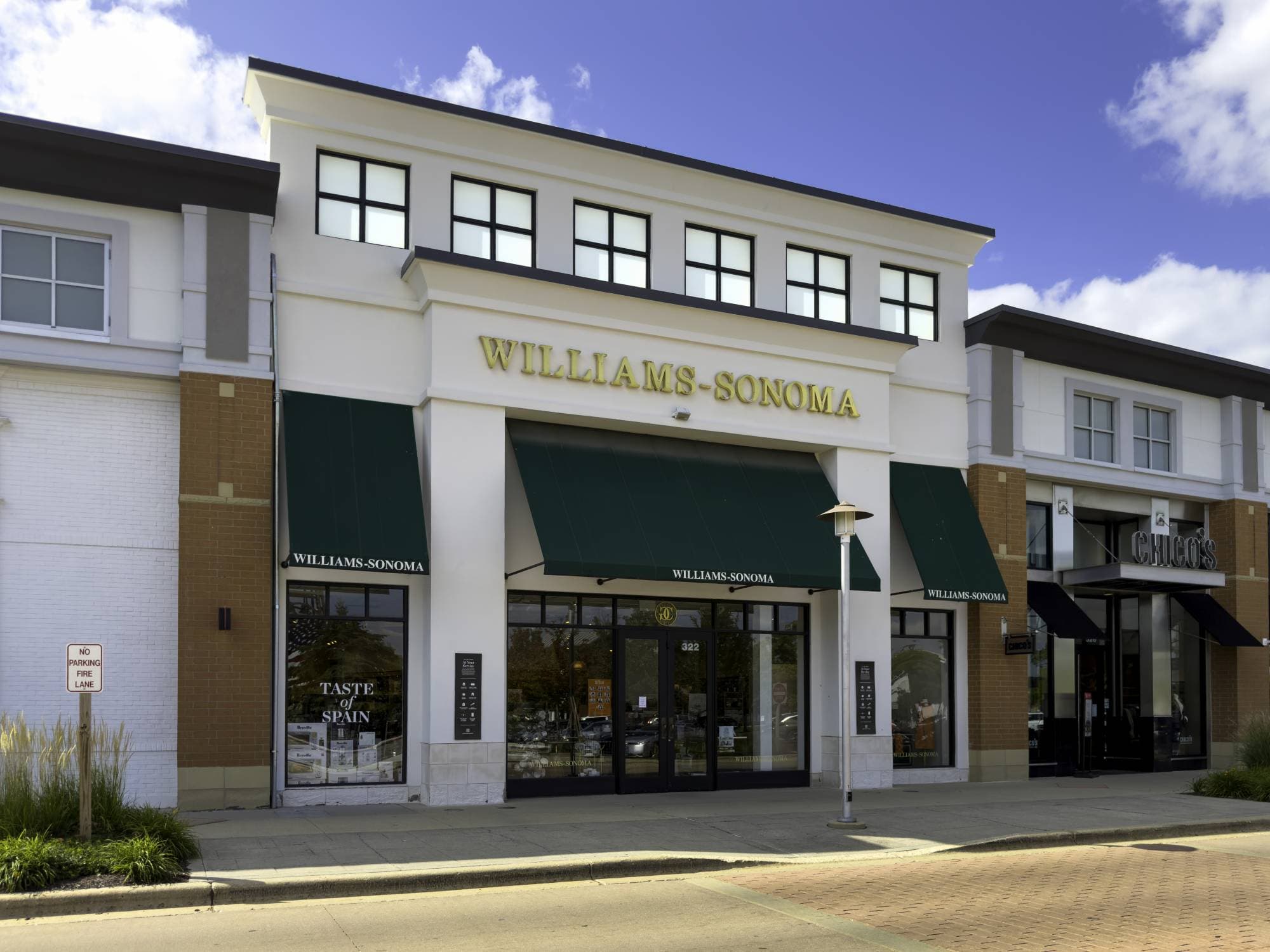
Too Many Bots in the Kitchen? Williams Sonoma Bans AI Shoppers
Original Article Summary
It looks like Olive, Williams Sonoma’s “AI Sous Chef,” will be the only AI agent allowed on its website.
Read full article at KQED✨Our Analysis
Williams Sonoma’s ban on all AI shoppers except its own “Olive” AI Sous Chef signals a decisive move to limit third‑party bot traffic on its e‑commerce platform. By restricting access to only a proprietary AI agent, the retailer aims to protect inventory data, pricing algorithms, and user experience from competing crawlers and price‑comparison bots that can scrape product details and distort demand signals. For website owners, this development highlights the growing necessity to differentiate between legitimate AI assistants and unwanted bots. If your site hosts valuable product catalogs or dynamic pricing, unrestricted AI access can lead to data leakage, inflated server loads, and inaccurate analytics. The Williams Sonoma example shows that proactive bot management—rather than blanket bans—can preserve both brand integrity and operational efficiency. Actionable steps: 1. **Update your llms.txt** to explicitly list approved AI agents (e.g., “Olive”) and block generic user‑agents, ensuring compliant bots receive crawl permission while others receive a 403 response. 2. Deploy a real‑time bot detection solution that flags anomalous request patterns (high‑frequency API calls, headless browsers) and automatically updates your robots.txt or firewall rules. 3. Regularly audit your server logs for unknown AI user‑agents and add them to a denylist in llms.txt to prevent future scraping attempts.
Related Topics
Track AI Bots on Your Website
See which AI crawlers like ChatGPT, Claude, and Gemini are visiting your site. Get real-time analytics and actionable insights.
Start Tracking Free →