When the Robots All Sell

Original Article Summary
AI is the ultimate market resonator...
Read full article at Dailyreckoning.com✨Our Analysis
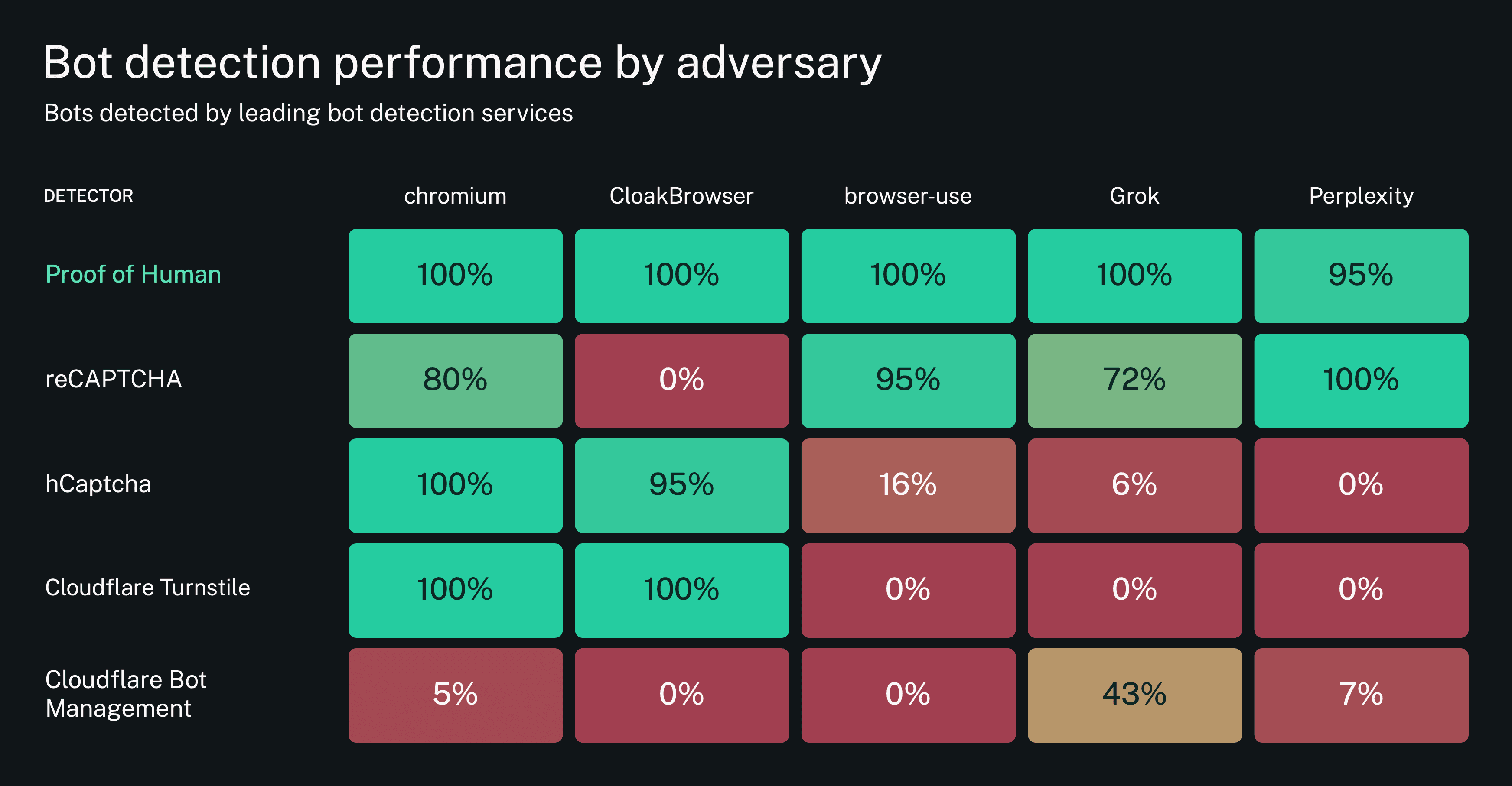
When the Robots All Sell's analysis of AI becoming the ultimate market resonator highlights that generative bots are now being deployed en masse to scrape product listings, generate dynamic pricing recommendations, and auto‑populate affiliate links across millions of ecommerce sites. This surge in commercial bot activity means website owners will see a sharp uptick in AI‑generated traffic that mimics real shoppers, potentially skewing analytics, inflating load, and exposing content to unauthorized replication. For site operators, the key implication is that traditional bot detection tools may miss these sophisticated agents because they use legitimate‑looking user agents and follow site navigation patterns. Moreover, the article notes that many of these bots respect robots.txt but ignore llms.txt, a newer standard that signals permissible AI‑generated content usage. Ignoring llms.txt could leave owners vulnerable to unauthorized content harvesting and SEO manipulation. **Actionable tips:** 1. **Add explicit llms.txt rules** – create an llms.txt file in your web root that disallows “AI‑content‑generation” for your product pages (e.g., `User-agent: *\nDisallow: /product/`). 2. **Implement AI‑bot fingerprinting** – use request header analysis and behavior‑based scoring (e.g., rapid pagination, identical query strings) to flag likely generative bots and feed these signals into your WAF. 3. **Monitor llms.txt compliance** – set up log alerts for any crawler that accesses disallowed paths despite llms.txt directives, and block or rate‑limit those IPs promptly.
Related Topics
Track AI Bots on Your Website
See which AI crawlers like ChatGPT, Claude, and Gemini are visiting your site. Get real-time analytics and actionable insights.
Start Tracking Free →