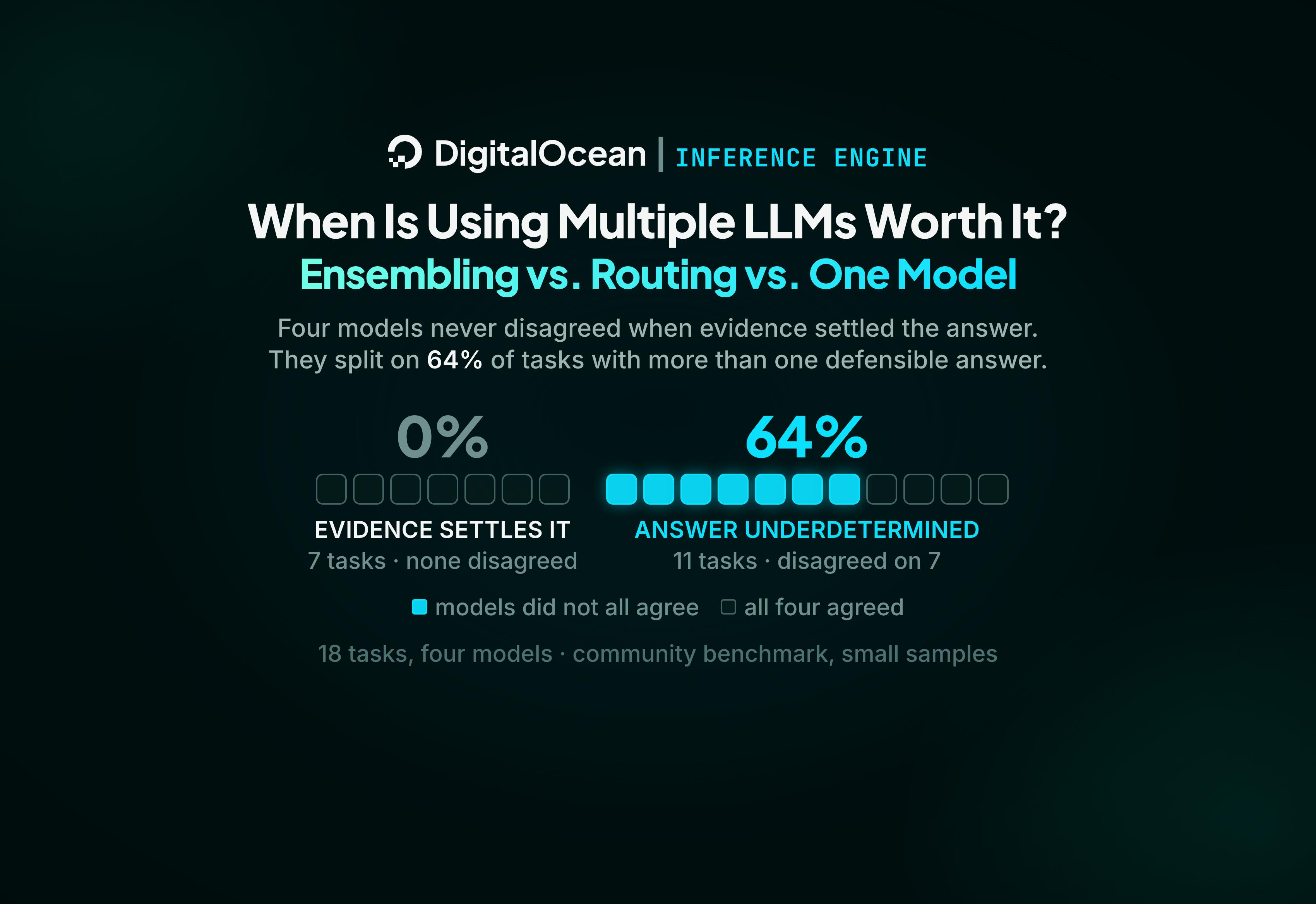
Who made the strawberry? 14 days of logs building a procedural fruit with agents
Original Article Summary
A case study of one human and three language models building a procedural fruit add-on for Blender. What did the human contribute, and what did the models?
Read full article at Pages.dev✨Our Analysis
Strawberry Methodology's case study on building a procedural fruit add‑on for Blender shows how a human collaborator and three language‑model agents can jointly generate a complete Blender asset in just 14 days, with the models handling geometry scripting, texture generation, and iterative testing while the human oversees creative direction and integration. For website owners, this experiment signals that AI agents are becoming capable of producing high‑quality 3D content at scale, meaning you may soon see a surge in automated traffic from bots that scrape or embed AI‑generated models into galleries, e‑commerce listings, or tutorial sites. Such traffic can inflate page views, skew analytics, and potentially violate copyright policies if the generated assets are misattributed. Moreover, the procedural nature of the output makes it harder for traditional plagiarism detectors to flag, increasing the risk of unintentionally hosting AI‑created content. **Actionable tips:** 1. **Update your llms.txt** to explicitly disallow “procedural‑3D‑model” bots by adding a rule like `User-agent: procedural‑model‑bot\nDisallow: /assets/3d/`. 2. **Deploy a bot‑behavior monitor** that flags sudden spikes in requests to `.blend` or `.glb` files, cross‑referencing user agents against known AI model generators. 3. **Implement content provenance checks** using metadata hashes; require uploaded 3D assets to include a creator field, and automatically reject files lacking human‑verified attribution.
Track AI Bots on Your Website
See which AI crawlers like ChatGPT, Claude, and Gemini are visiting your site. Get real-time analytics and actionable insights.
Start Tracking Free →