X Window System on the ESP32
Original Article Summary
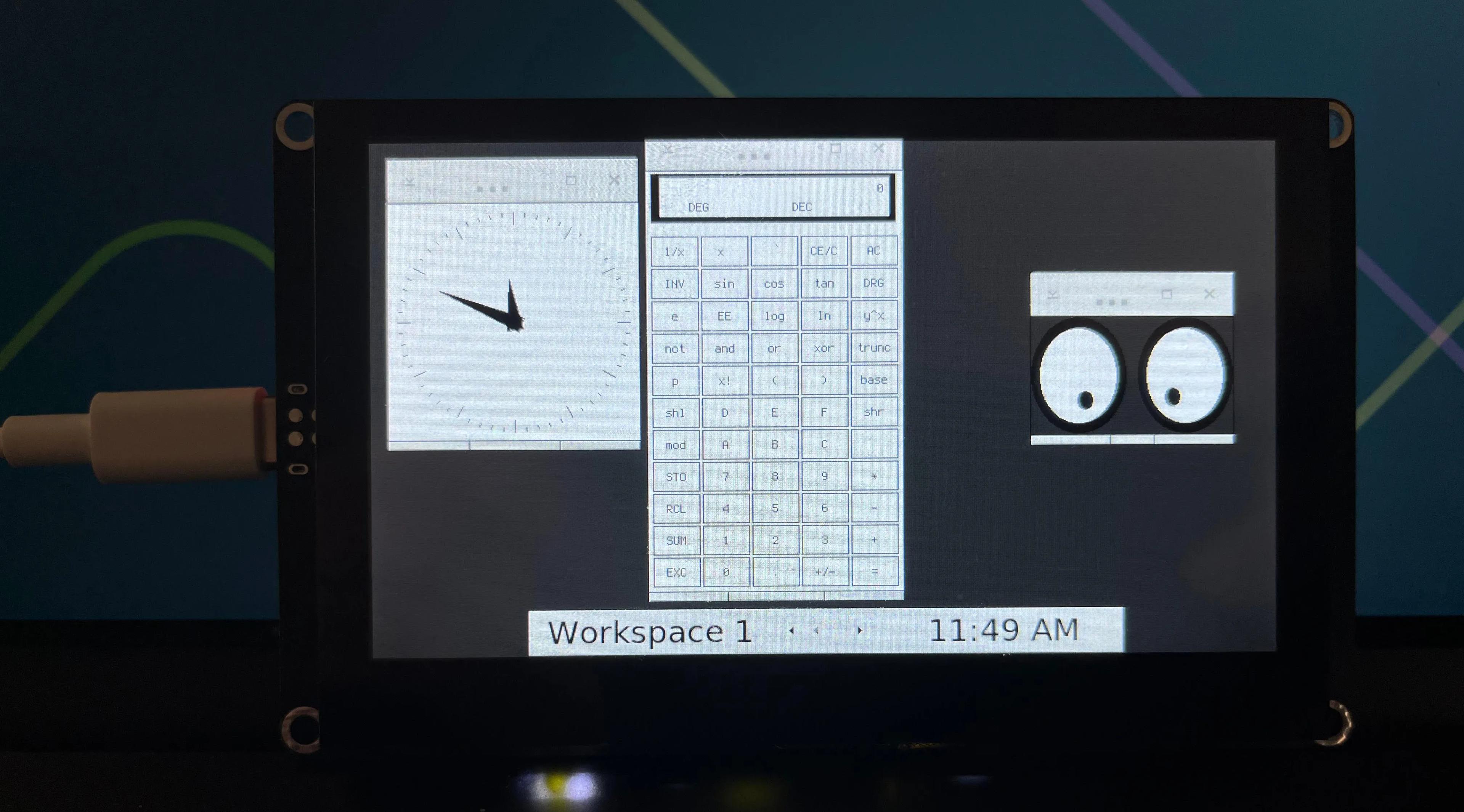
There are a lot of things you can do with an Xserver, but run it on a microcontroller? Well, if that microcontroller is an ESP32-S3, [Sergey Zorin]– and Claude– have got you covered wit…
Read full article at Hackaday✨Our Analysis
X Window System's port to the ESP32‑S3 by Sergey Zorin and Claude demonstrates that a full‑featured X‑server can now run on a low‑power microcontroller, enabling tiny IoT devices to render graphical interfaces directly on‑device. For website owners, this means a new class of edge devices capable of serving visual content without relying on cloud‑based rendering farms. As these ESP32‑based X‑servers become embedded in smart displays, kiosks, and hobbyist projects, they will start generating AI‑driven traffic—bots that query device APIs, scrape rendered screens, or interact with on‑screen elements for data collection. Because the ESP32 can host lightweight web servers alongside the X‑server, any AI bot that discovers the device’s IP may attempt to crawl its UI endpoints, potentially inflating analytics and exposing security gaps. **Actionable tips:** 1. **Update your llms.txt** to explicitly disallow generic AI crawlers from accessing the ESP32’s web UI paths (e.g., `User‑Agent: *\nDisallow: /xui/`). 2. **Implement bot‑fingerprinting** on the ESP32’s HTTP stack—track request headers, rate‑limit unusual User‑Agent strings, and log anomalies to your central monitoring dashboard. 3. **Deploy a reverse‑proxy with AI‑bot detection** in front of the ESP32 devices, allowing you to filter out unwanted AI traffic before it reaches the microcontroller, preserving bandwidth and protecting the X‑server’s UI integrity.
Related Topics
Track AI Bots on Your Website
See which AI crawlers like ChatGPT, Claude, and Gemini are visiting your site. Get real-time analytics and actionable insights.
Start Tracking Free →