
Red Hat OpenShift Virtualization achieves NVIDIA-Certified Hypervisor status
Original Article Summary
Red Hat OpenShift Virtualization 4.22 has achieved NVIDIA-Certified Hypervisor status for NVIDIA HGX systems, validating near bare-metal GPU performance for representative AI and accelerated computing workloads.What this means for customersYou no longer have …
Read full article at Redhat.com✨Our Analysis
Red Hat’s announcement that OpenShift Virtualization 4.22 has achieved NVIDIA‑Certified Hypervisor status for NVIDIA HGX systems validates near bare‑metal GPU performance for representative AI and accelerated‑computing workloads. For website owners, this development means that AI‑driven services—such as image generation, recommendation engines, or real‑time analytics—can now be hosted on containers that deliver GPU speeds comparable to dedicated hardware. The tighter integration reduces latency and cost, encouraging more sites to embed AI features directly into their platforms. Consequently, the volume of AI bot traffic is likely to increase, as developers deploy sophisticated bots that leverage the same GPU‑accelerated inference pipelines for tasks like content personalization or automated moderation. **Actionable tips:** 1. Update your llms.txt file to explicitly list the OpenShift Virtualization user‑agent strings (e.g., “OpenShift-Virtualization/4.22”) so you can differentiate legitimate AI service calls from rogue crawlers. 2. Deploy a real‑time bot‑tracking rule in your WAF that flags high‑frequency requests originating from your NVIDIA‑HGX clusters, allowing you to throttle or challenge suspicious traffic without impacting genuine users. 3. Leverage the Red Hat Insights API to monitor GPU utilization metrics and set alerts when abnormal spikes occur, helping you spot potential abuse of your AI endpoints early.
Track AI Bots on Your Website
See which AI crawlers like ChatGPT, Claude, and Gemini are visiting your site. Get real-time analytics and actionable insights.
Start Tracking Free →Related Articles
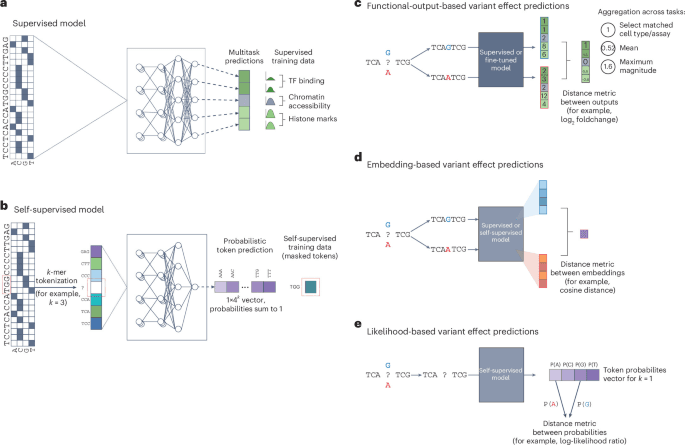
Leveraging genomic deep learning models for the prediction of noncoding variant effects
10/21/2026
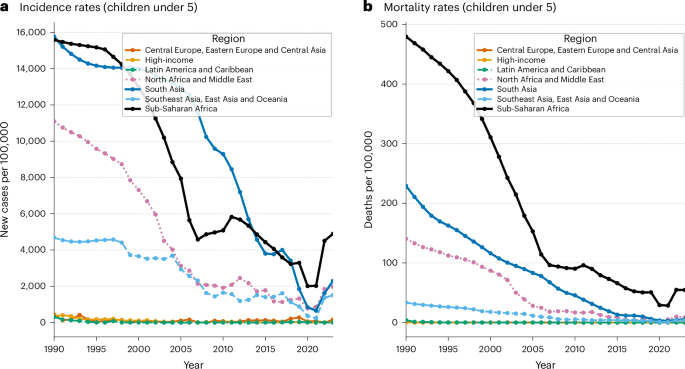
Global and regional burden of measles and vaccine coverage among children under 5 years, 1990−2023: a Global Burden of Disease Study
10/21/2026
The Wall Street Journal has been planning a big push into streaming TV, and courted Feed Me's Emily Sundberg for a show
10/20/2026