What You Actually Receive From a Customer Experience Audit
Original Article Summary
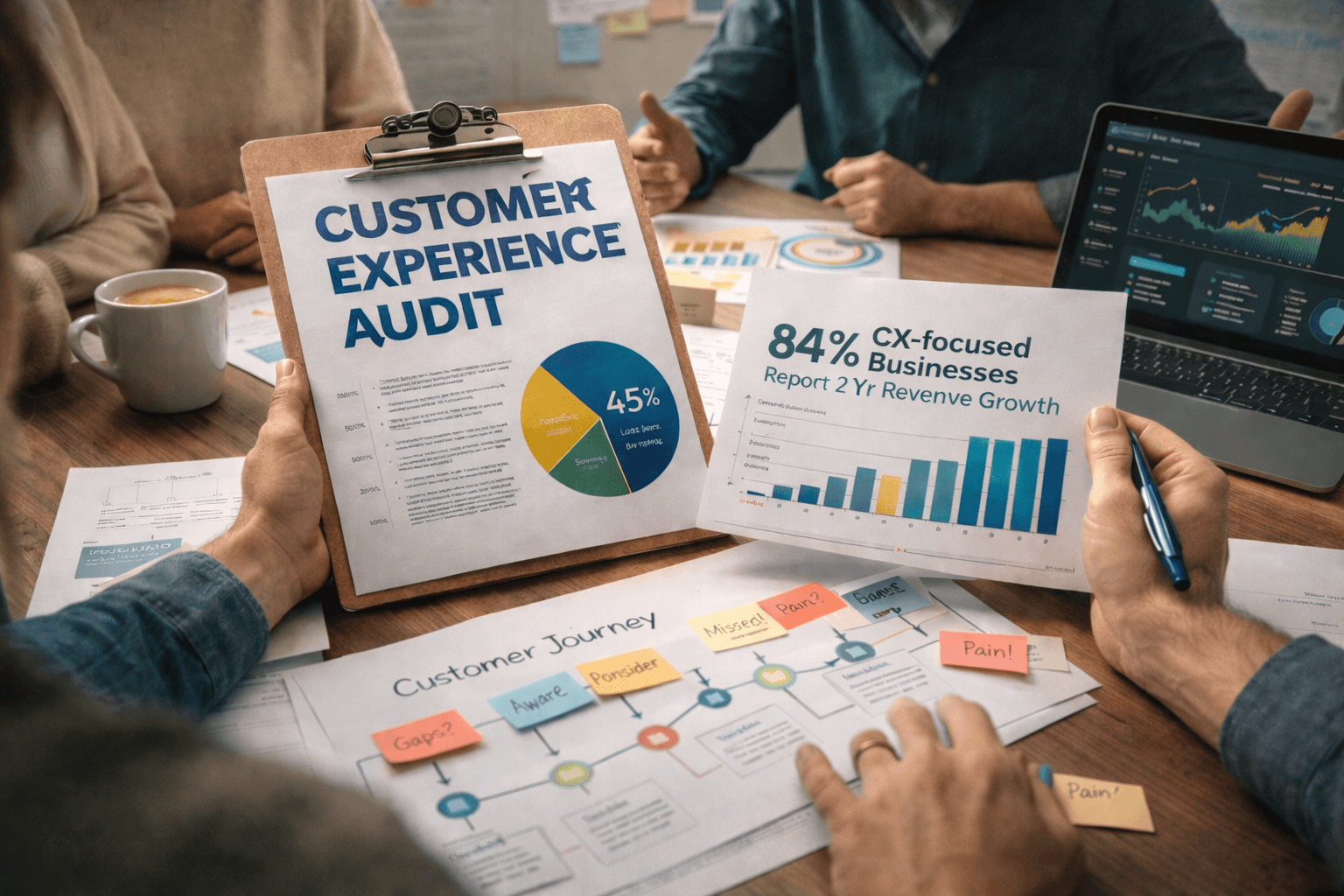
by Braden Kelley and Art Inteligencia There’s a fear that sits underneath almost every conversation about hiring someone to audit your customer experience, and it rarely gets said out loud. It goes like this: I’ll spend the money, wait a few weeks, and get ba…
Read full article at Bradenkelley.com✨Our Analysis
Braden Kelley’s “What You Actually Receive From a Customer Experience Audit” highlights that many businesses mistakenly assume a CX audit will automatically translate into actionable AI bot mitigation strategies, but the article clarifies that the deliverables often stop at high‑level recommendations without concrete implementation guidance. For website owners, this means that relying solely on a traditional CX audit can leave critical AI‑driven traffic blind spots unchecked. If your audit does not explicitly map out how AI bots interact with your site—such as crawling for product data, scraping reviews, or probing login flows—you may miss opportunities to enforce llms.txt rules, protect proprietary content, and preserve the integrity of your user experience. **Actionable tips:** 1. **Add an AI‑bot audit clause** to any CX engagement: request a detailed inventory of detected bot agents, their access patterns, and a risk rating tied to your llms.txt policy. 2. **Integrate llms.txt monitoring** into your site’s analytics stack (e.g., using server‑side logs or a dedicated bot‑tracking service) to automatically flag violations and generate real‑time alerts. 3. **Update your llms.txt file** post‑audit with precise directives—such as `User‑Agent: *Disallow: /checkout/*` for bots that attempt checkout automation—and publish a versioned changelog so compliance can be audited later.
Track AI Bots on Your Website
See which AI crawlers like ChatGPT, Claude, and Gemini are visiting your site. Get real-time analytics and actionable insights.
Start Tracking Free →